
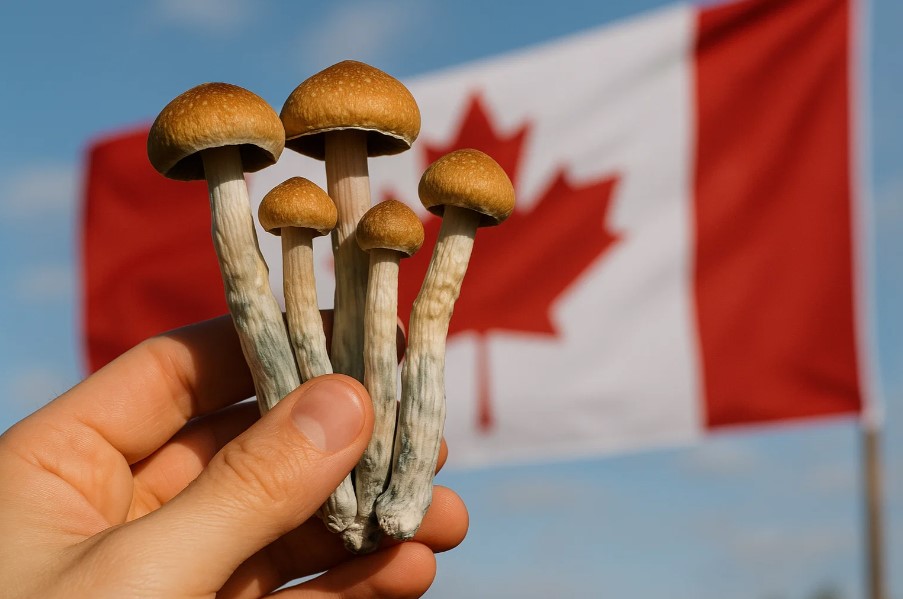
You expect comfort to come from prescriptions, routines, maybe another quiet reassurance from a doctor. Then life throws a harder question at you. For many watching the conversation around magic mushrooms Winnipeg, frustration bubbles up fast. Relief feels close, yet oddly out of reach, especially for people facing the end of life and craving peace more than promises.
Table of Contents
The Moment Fear Loosened Its Grip
Janis Hughes from Winnipeg, living with Stage 4 breast cancer, calls magic mushrooms “medicine,” not a shortcut or escape.
She has taken part in two psilocybin-assisted psychotherapy sessions to help with depression and anxiety. The sessions were not cheap, but still, she talked about the outcome with clarity and calm.
“I am no longer obsessed with the thought that I am going to die,” Hughes, 66, said. “I am living. I am focused on other people, not myself.”
Why This Story Surfaced in Winnipeg
Hughes followed local developments closely, including the appearance of a mushroom shop in Osborne Village. The storefront, called Magic Mush, opened quietly and sparked conversation. For Hughes, the shop’s presence carried symbolic weight. It wasn’t about retail shelves or packaging. It signalled momentum.
“A part of me is glad to see it happen,” she said. “It’s one more prong in the movement to overturn legislation.”
You don’t need to agree with every step to recognize the pattern. Cannabis followed a similar path years ago. Conversations happened before clarity arrived. People talked openly first, then systems followed later.
What Hughes Experienced With Magic Mushrooms
Hughes didn’t seek psilocybin out of curiosity. Depression and anxiety crept in after doctors estimated she had about two years left. She applied for formal access through Health Canada and received a rejection. But that didn’t end her search.
She went through two guided sessions, paying nearly $2,500 in total. The outcome wasn’t euphoria. It wasn’t detachment, but grounding.
Here’s what those sessions gave her:
- Relief from constant anxiety linked to end-of-life distress
- A quieter mind that allowed connection with others
- Emotional space to focus outward, not inward
- A sense of peace she hadn’t found through other treatments
| Looking for mushroom products without distractions? We offer a focused selection for adults who value privacy, consistency, and a simple buying experience. | Browse Products |
What Other People Say About Magic Mushrooms
“It’s kind of just like weed,” said Meena Choy, 24. “I don’t think there’s really any harm in having it.”
Billy Diamond, 41, shrugged off the idea as a non-issue. “I don’t see a problem with it.”
Calyssa Beau, 31, supported availability paired with education and clear rules.
And Hughes isn’t alone. Across North America, dying patients fight for access to psychedelics.
Erinn Baldeschwiler, 48, lives with metastatic breast cancer and speaks openly about her fear of dying in a state of panic. “The last thing I want is to be terrified and scared and anxious, especially when I pass,” she said.
She knows her diagnosis will not change. What she wants is emotional steadiness during her remaining time.
Research published over the past decade continues to point in the same direction. The Psilocybin-assisted therapy has shown the ability to reduce anxiety and depression in people with advanced cancer.
Baldeschwiler captured the urgency clearly: “It’s a time issue. If you could provide an option that would provide immediate, sustained relief… why would you not want that as an option?”
| If you already know what you’re looking for, our online store provides direct access to mushroom products through a discreet, straightforward experience. | Order Now |
Beyond Winnipeg – A Broader Shift Already in Motion
Outside Winnipeg and Canada, similar stories continue to surface. Veterans with PTSD. First responders. Patients with treatment-resistant depression. Researchers, clinicians, and advocates have spoken publicly about limits within current mental health care.
US Retired Brigadier Gen. Dr. Stephen Xenakis said it plainly while discussing PTSD treatment outcomes: “Even in the best circumstances, our treatments probably help about half of the patients.”
Another advocate, Lynnette Averill, an associate professor of psychiatry and behavioural sciences at Baylor College of Medicine, called the moment urgent. “Given the crisis that we are in, we cannot wait another year — or 2, 5, or 10.”
These voices do not frame psychedelics as shortcuts. They frame them as options where options have run thin.
Now Is the Time to Explore Magic Mushrooms
Stories like Janis Hughes’ show why this conversation keeps growing. People want calm, presence, and choice during difficult moments. Interest continues to rise, and many now look for a dependable shrooms dispensary that focuses on access, discretion, and consistency.
Frequently Asked Questions
What mushroom strains can you buy in Winnipeg?
Product availability includes familiar strains like Golden Teacher, Blue Meanie, Penis Envy, and Albino varieties. But beyond those popular strains, you can buy Bull Run, Flipper, Ghost, and more at Zoomies Canada.
Why does psilocybin therapy for cancer patients usually involve only one or two sessions instead of ongoing dosing?
Unlike most mental-health treatments that rely on daily or weekly medication, psilocybin therapy works through a small number of carefully guided experiences. Research shows that when one or two psilocybin sessions are paired with structured psychotherapy, patients report lasting shifts in how they relate to fear, mortality, and emotional pain.
Rather than “treating symptoms” over and over, the therapy aims to create a meaningful psychological experience that can reshape perspective and reduce distress long after the session ends.
Does psilocybin change how people think about death, not just how they feel about it?
Yes, and that distinction matters. Beyond easing anxiety or depression, psilocybin may reshape how people conceptualize death itself. Research and patient experiences suggest it can loosen rigid fear-based narratives and open space for meaning, continuity, or acceptance. For some, it reframes death as a transition rather than an ending, which may explain its growing interest in palliative care.
References:
- https://www.winnipegfreepress.com/breakingnews/2023/05/23/senior-with-terminal-cancer-calls-for-access-to-magic-mushrooms-after-city-shop-raided
- https://www.cbc.ca/news/canada/manitoba/magic-mushroom-bust-winnipeg-advocate-lawyer-psilocybin-therapy-1.6851322
- https://time.com/6208079/psychedelics-psilocybin-access-end-of-life/