
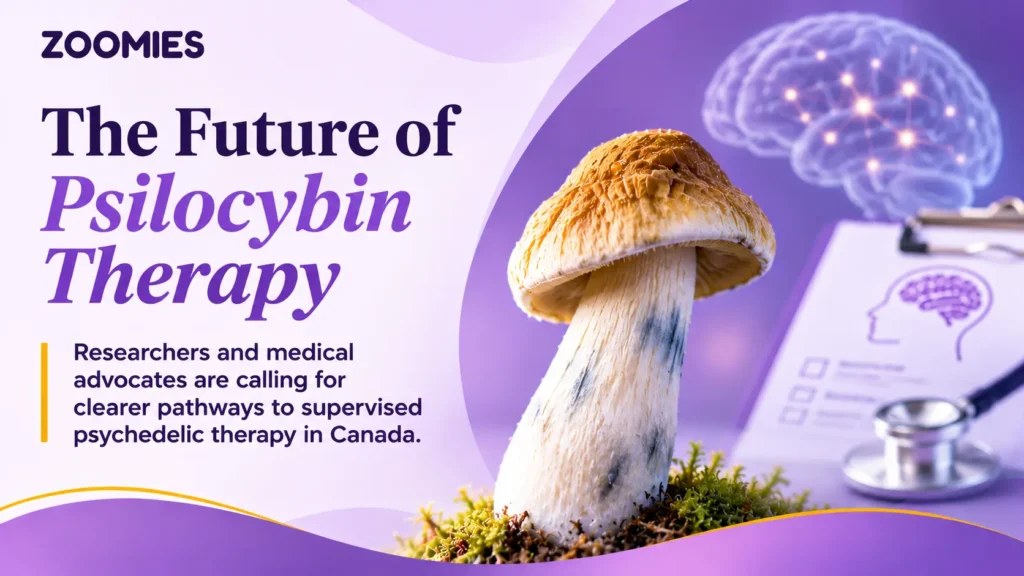
People either join psilocybin therapy programs or buy shrooms online to access magic mushrooms for treatment-resistant depression or other mental health issues. It’s great that such options exist, but they can also be somewhat limiting. This is why one psychiatrist hopes that magic mushrooms can become more accessible.
Greater accessibility would allow for more product options, safety testing, hope for patients who do not respond to conventional medications, increased education and awareness, and more affordable treatment options.
Table of Contents
Psilocybin Needs To Be More Accessible
Associate Minister of Health David Seymour announced that psilocybin can now be prescribed outside clinical trials in New Zealand for the first time.
Seymour noted that “a highly experienced psychiatrist has been authorized to prescribe it to patients with treatment-resistant depression.”
The psychiatrist, Dr. Cameron Lacey from Ōtautahi, who also led the country’s first psilocybin clinical trials, said reaching this milestone required “a long time, a lot of energy, and perseverance.”
“We need to make sure this treatment is accessible to everyone. I believe insurance companies will take a strong interest in it as a potential therapy. I’m optimistic that we can collaborate with Health New Zealand to establish a funding pathway, so patients who haven’t responded to standard treatments and continue to experience severe symptoms can access it,” Lacey said.
But it isn’t only outside Canada that psychiatrists are hoping for greater accessibility to shrooms. Canadian doctors and organizations are also expressing the same desire for easier access to psilocybin treatment.
Psilocybin Access Limited for Canadians
PsyCan, the trade group representing Canada’s medical psychedelics sector, is urging immediate changes to how Canadians can access psychedelics for medical use, following the release of Health Canada Special Access Program (SAP) records under the Access to Information Act.
Reports from doctors and patients describe a bureaucratic quagmire, with 15-page rejection letters frequently issued, followed by mandamus applications that are approved after lengthy legal proceedings. Courts have started overturning many of these refusals, adding further administrative strain and legal costs for Health Canada, as well as frustration and confusion for patients and physicians.
Why Does Accessibility Matter?
“Traditional treatments are frequently inaccessible, costly, or come with harmful side effects. Canadians deserve a clear and predictable pathway to these innovative therapies without bureaucratic obstacles standing between doctors and patients,” said PsyCan Board Chair and Bluestem President Austin Miller.
“For veterans and first responders with PTSD, individuals with treatment-resistant depression or addiction, and those experiencing end-of-life distress, every week and month counts,” he added.
When psilocybin becomes more accessible, it can lead to:
- Patients no longer have to wait months for access.
- Greater availability allows more individuals to benefit from evidence-based therapies.
- Faster access can alleviate prolonged depression, anxiety, PTSD, and end-of-life distress.
- May reduce long-term reliance on expensive medications or repeated hospitalizations.
- More data to improve understanding and treatment protocols.
- Promotes public understanding of the therapeutic potential of psilocybin.
Why Psilocybin Matters For Mental Health
“Most studies involve one or two doses combined with psychotherapy. When patients respond, improvements in depression have been observed to last up to two years in the longest-followed studies,” Lacey said.
There are multiple theories about how psychedelics bring improvement. “Biologically, changes may occur in neurotransmitters and default mode networks. Personally, I favour the psychological perspective: the insights gained during the experience, about self-perception, connectedness to others and the world, can be integrated through psychotherapy to create meaningful, lasting change,” Lacey said.
New Zealand’s announcement aligns the country with Australia, where MDMA and psilocybin have been prescribable since 2023, following the nation’s classification of psychedelics as medicines at a national level.
Auckland University senior research fellow Dr. Tehseen Noorani, co-lead of the Community Strategizing about Psychedelic Therapy in Aotearoa project, described the profound healing reported in clinical trials and various contexts. He suggests psychedelics may address underlying issues rather than simply alleviating symptoms.
Where Do Canadians Access Psilocybin?
Since access via Health Canada’s SAP is limited, many people resort to joining clinical trials, attending expensive treatment clinics, or buying shrooms online.
Buying online is the cheapest option, but you need to be careful about where you source your mushrooms and what you purchase. For therapeutic products, you may want to get yours from Zoomies Canada. Our shroom dispensary has been offering a variety of products suitable for those looking to explore their benefits.
Canadians deserve access to psilocybin without having to wait months or years for approval. While more work is needed to persuade higher levels of government to make access easier, there is still hope for some through simpler ways of accessing shrooms, such as through Zoomies Canada.
Frequently Asked Questions
Are psilocybin therapy treatments costly?
Yes. Treatment protocols involve 1–3 sessions spread over several weeks, with total costs ranging from $3,000 to $9,000 or more. This estimate does not include additional fees for preparation and psychotherapy integration, and most insurance companies currently do not cover psilocybin treatment.
Why might psilocybin be more effective than traditional medications for treatment-resistant depression?
It works through mechanisms that differ from standard antidepressants. While conventional medications target neurotransmitters over long periods, psilocybin can produce rapid changes in brain activity, particularly in areas associated with mood regulation and emotional processing. Psilocybin helps “reset” brain networks that are overactive or rigid in depression.
Why is accessing psilocybin through clinical trials so challenging?
There are relatively few trials, and most have strict eligibility criteria. Regulatory hurdles also slow access. The therapy itself is intensive, involving multiple supervised sessions and integration with psychotherapy, which adds complexity and cost. High demand and limited trial slots further restrict opportunities for patients.